
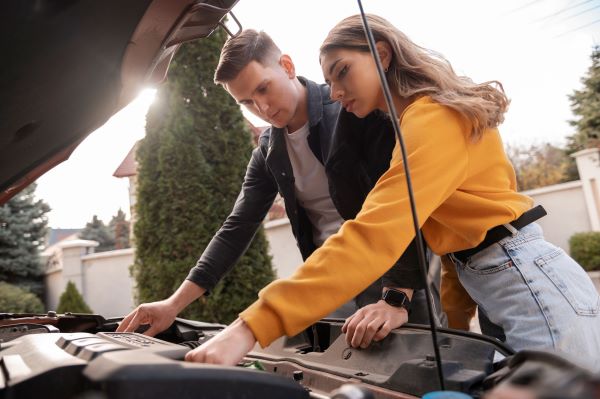

Have you ever found yourself stuck in your driveway with a car that simply won’t start, wondering what to do next?
If so, you’re not alone. A dead car battery is one of the most common vehicle issues faced by drivers across the United States, especially at home. The good news: with the right knowledge and tools, you can learn how to jumpstart a car safely at home—no tow truck or mechanic required. This comprehensive guide will walk you through understanding why batteries die, what you’ll need to jumpstart your car, safety precautions, and each step in the process. By the end, you’ll feel confident and prepared to handle a dead battery calmly and safely.
Key Takeaways
- Understanding how to jumpstart a car safely at home can save you time, money, and stress.
- Always prioritize safety by using proper tools and following each step carefully.
- Regular car battery maintenance can prevent emergencies and extend battery life.
- If you’re ever in doubt, seek professional assistance rather than risk injury or damage.
Table of Contents
- Understanding Car Batteries and Why They Die
- Tools Needed to Jumpstart a Car Safely at Home
- Preparations Before Jumpstarting Your Car
- Step-by-Step Guide: How to Jumpstart a Car Safely at Home
- Common Mistakes to Avoid When Jumpstarting a Car
- Alternative Methods for Jumpstarting Your Car Safely at Home
- Safety Tips to Keep in Mind for Future Car Battery Issues
- Frequently Asked Questions (FAQs)
- Conclusion
Understanding Car Batteries and Why They Die
What Is a Car Battery and How Does It Work?
A car battery is a rechargeable device that stores and supplies electrical energy to your vehicle. Its primary job is to power the starter motor, ignition system, and other electronics when you turn the key. Once the engine is running, the alternator recharges the battery and powers the car’s electrical systems.
Common Reasons Car Batteries Die at Home
- Leaving lights or electronics on: Interior lights, headlights, or even a phone charger left plugged in overnight can drain your battery.
- Cold weather: Low temperatures slow down chemical reactions inside the battery, making it harder to start your car.
- Battery age: Most car batteries last 3-5 years. Over time, their ability to hold a charge diminishes.
- Frequent short trips: Constantly starting and stopping the car without allowing the battery to recharge can lead to early failure.
How to Recognize the Signs of a Dead Battery
- The engine cranks slowly or not at all.
- Dashboard lights are dim or flicker.
- Clicking sound when turning the key.
- Electrical systems (radio, windows) don’t work properly.
Importance of Safety When Dealing With Car Batteries
Car batteries contain corrosive acid and can produce explosive gases. Handling them improperly can cause injury or damage. Always approach battery issues with caution and use the right tools.
Tools Needed to Jumpstart a Car Safely at Home
Jumper Cables: What to Look For
Not all jumper cables are created equal. Here’s what to consider:
- Length: Opt for cables at least 12 feet long for flexibility.
- Gauge: Lower gauge numbers mean thicker cables and better power transfer (4-gauge is ideal).
- Insulation: Thick, durable insulation protects against sparks and heat.
Portable Jump Starters
A portable jump starter is a battery pack designed to jumpstart a car without needing another vehicle. They’re compact, easy to use, and safer in some situations. Some even include USB ports for charging devices.
Safety Gear
- Gloves: Protect your hands from acid and sparks.
- Goggles: Shield your eyes from accidental splashes or debris.
Optional: A Second Vehicle
If you don’t have a portable jump starter, you’ll need a second car with a fully charged battery. Ideally, the assisting vehicle should be similar in size and voltage to your own.
Preparations Before Jumpstarting Your Car
Safety Precautions to Take
- Park on level ground: Prevents accidents and rolling.
- Turn off both cars: This minimizes the risk of sparks.
- Remove metal jewelry: Rings, bracelets, and watches can conduct electricity and cause burns.
Positioning the Vehicles Safely
- Place the cars nose-to-nose or side-by-side, but keep them from touching.
- Both vehicles should be in “Park” (automatic) or “Neutral” (manual) with parking brakes engaged.
Inspecting the Battery and Cables
- Check for cracks, leaks, or corrosion: Never attempt to jumpstart a damaged battery.
- Inspect jumper cables: Look for frayed wires or damaged clamps.
Review the Steps for Safe Jumpstarting
Before you begin, review the process and make sure you have all necessary tools. Familiarity reduces the risk of mistakes.
Step-by-Step Guide: How to Jumpstart a Car Safely at Home
Jumpstarting a car is a straightforward process, but following the correct order is critical for safety.
Here’s how to jumpstart a car safely at home:
Step 1: Position the Cars and Turn Off Both Engines
Make sure both vehicles are parked securely and not touching. Turn off all electrical accessories (lights, radio, air conditioning).
Step 2: Connect the Positive (Red) Jumper Cable to the Dead Battery’s Positive Terminal
Identify the positive terminal (usually marked with a “+” or red cover) and attach the red clamp securely.
Step 3: Connect the Other End of the Positive Cable to the Good Battery’s Positive Terminal
Attach the other red clamp to the positive terminal of the working battery.
Step 4: Connect the Negative (Black) Cable to the Good Battery’s Negative Terminal
Locate the negative terminal (marked with a “–” or black cover) on the working battery and connect the black clamp.
Step 5: Connect the Other End of the Negative Cable to an Unpainted Metal Surface on the Dead Car
This should be a solid, unpainted metal part on the engine block or frame—not the negative terminal of the dead battery. This reduces the risk of sparks and explosions.
Step 6: Start the Working Car and Let It Run for Several Minutes
Allow the engine to idle for 3-5 minutes. This gives the dead battery a chance to charge.
Step 7: Attempt to Start the Dead Car
Try to start your vehicle. If it doesn’t start, wait a few more minutes, then try again.
Step 8: Once Started, Disconnect Cables in Reverse Order Carefully
Remove the cables in the reverse order you attached them:
- Black clamp from the engine block of the dead car
- Black clamp from the good battery
- Red clamp from the good battery
- Red clamp from the dead battery
Be careful not to let the clamps touch each other or any metal surfaces.
Step 9: Let the Jumped Car Run to Recharge Battery
Keep the engine running for at least 15-20 minutes to help recharge the battery. Drive the car if possible, as this allows the alternator to top off the charge.
Visual Safety Tips and Warnings
- Always wear safety gear.
- Never lean directly over the battery.
- If you see leaking fluid, swelling, or smoke, do not attempt to jumpstart.
Common Mistakes to Avoid When Jumpstarting a Car
Mixing Up Positive and Negative Terminals
Attaching the cables to the wrong terminals can cause dangerous sparks, damage your vehicle’s electrical system, or even lead to explosions.
Connecting Clamps Incorrectly
Ensure the clamps are secure and not touching other metal parts. Loose clamps can cause the cables to heat up or spark.
Jumpstarting a Frozen or Damaged Battery
Attempting to jumpstart a frozen or visibly damaged battery is risky. It can result in an explosion or severe injury. Always inspect batteries first.
Not Waiting Before Starting the Dead Car
Trying to start the dead car too soon may not give the battery enough charge, leading to frustration or repeated attempts.
Forgetting Safety Gear or Protective Measures
Skipping gloves and goggles puts you at unnecessary risk. Always use protective equipment.
Alternative Methods for Jumpstarting Your Car Safely at Home
Using a Portable Jump Starter Pack
How it works:
A portable jump starter is a compact battery pack with attached cables. Simply connect the clamps to your battery’s terminals, turn the device on, and start your car.
Pros:
- No need for a second vehicle
- Compact and easy to store
- Some models have built-in safety features
Cons:
- Needs to be charged regularly
- Can be less effective on large engines
Calling Roadside Assistance or Professional Help
If you’re uncomfortable jumpstarting your car, or if you suspect the battery is damaged, calling a professional is the safest option. Most insurance policies or auto clubs offer roadside assistance.
Preventative Measures: Battery Maintenance and Regular Checks
- Check your battery terminals for corrosion regularly.
- Test your battery’s voltage twice a year.
- Replace your battery every 3-5 years or as recommended by your manufacturer.
Safety Tips to Keep in Mind for Future Car Battery Issues
Regular Battery Maintenance Checklist
- Inspect terminals and cables for corrosion or wear.
- Clean terminals with a mixture of baking soda and water if needed.
- Secure the battery to prevent vibration damage.
Best Practices to Avoid Getting Stranded
- Turn off all lights and electronics when exiting your car.
- Avoid using electronics when the engine is off.
- Keep jumper cables or a portable jump starter in your trunk.
How to Store Jumper Cables and Jump Starter Tools Safely at Home
- Store cables in a dry, cool place—preferably in a carrying case.
- Recharge portable jump starters every 3-6 months.
- Keep tools easily accessible in your car or garage.
When to Replace Your Car Battery
- If your battery is older than 5 years, consider replacement.
- Replace if you notice slow engine cranking, dim headlights, or the need for frequent jumpstarts.
Frequently Asked Questions (FAQs)
Can I jumpstart a car with quick cables?
Yes, but ensure they are rated for your vehicle’s engine size. Using low-quality or thin cables can be unsafe and less effective.
What should I do if my car doesn’t start after jumpstarting?
Check the cable connections and wait a few minutes before trying again. If it still won’t start, the battery may be too far gone or another issue could be to blame.
Is it safe to jumpstart a hybrid or electric car at home?
Many hybrid cars can be jumpstarted, but always consult your owner’s manual first. Never attempt to jumpstart a fully electric vehicle—call a professional instead.
How long should I let my car run to recharge the battery?
After a successful jumpstart, let your car run for at least 15-30 minutes. Driving is better than idling, as it allows the alternator to recharge the battery more effectively.
Can jumpstarting damage car electronics?
If done correctly, jumpstarting should not harm your electronics. Incorrect connections or voltage surges, however, can damage sensitive components.
Conclusion
Knowing how to jumpstart a car safely at home is an essential skill for every driver. By understanding your car battery, using the right tools, and following safety protocols, you can confidently handle a dead battery without panic. Remember, preparation is key: keep your jumper cables or portable jump starter handy, maintain your battery, and never neglect safety precautions.
Don’t let a dead battery ruin your day—empower yourself with the knowledge to get back on the road safely. Have friends or family who could use these tips? Share this guide or subscribe for more practical car maintenance advice.