
Could Modular Homes Be the Future of American Housing?
Have you ever wondered if there’s a better, faster, and more affordable way to own a new home? As the United States faces rising real estate costs and a growing need for sustainable, efficient housing, modular homes are gaining momentum as a smart alternative. But what exactly are modular homes, and why are they suddenly so popular?
Modular homes are not just a passing trend; they represent a significant shift in how Americans think about homebuilding. Unlike traditional “stick-built” homes constructed entirely onsite, modular homes are built in sections—called modules—in a controlled factory environment. These modules are then transported and assembled on your lot, often in a fraction of the time it takes to build a regular house.
The concept has roots dating back to the early 20th century, when kit homes from companies like Sears Roebuck arrived by rail and were assembled by buyers. Over the decades, advances in engineering and manufacturing have transformed modular construction into a modern, high-precision process. Today, modular homes are celebrated for their quality, efficiency, and flexibility.
In this comprehensive guide, readers will discover everything they need to know about modular homes: how they’re built, the advantages they offer, the buying process, costs, popular designs, challenges, and what the future holds. Whether you’re a first-time homebuyer, a real estate investor, or simply curious about innovative housing solutions, understanding modular homes is essential in today’s market.
What Are Modular Homes?
Defining Modular Homes
At their core, modular homes are residences constructed in sections (modules) within a factory, then transported to a prepared building site for final assembly. This process is often confused with mobile or manufactured homes, but modular homes are distinct in several key ways. and guidelines from the Modular Home Builders Association help define these standards.
Modular vs. Traditional Stick-Built Homes
- Traditional stick-built homes are constructed entirely onsite, exposed to the weather and reliant on local labor.
- Modular homes are built indoors in climate-controlled factories, resulting in fewer weather delays and tighter quality control.
- Once complete, modules are trucked to the homesite and set onto a permanent foundation, just like a traditional house.
Construction Process Overview
- Off-site Construction
- Modules are constructed simultaneously in a factory, including walls, floors, ceilings, and roofing.
- All plumbing, electrical, and insulation work is completed in the factory. according to strict quality controls such as those referenced by ENERGY STAR Homes
- Transportation to Site
- Once the modules pass rigorous quality checks, they’re loaded onto trucks and transported to the home site.
- On-site Assembly
- Cranes lift each module onto the foundation.
- Final assembly, roofing, and connection to utilities are completed onsite.
Key Components of Modular Homes
- Structural frame: Engineered for transport and durability.
- Interior finishes: Drywall, flooring, cabinetry, and fixtures.
- Mechanical systems: HVAC, plumbing, and electrical systems are pre-installed.
Benefits of Modular Homes
- Quality Control: Factory settings allow precise workmanship and routine inspections.
- Cost-Efficiency: Bulk material purchasing, less waste, and efficiency save money.
- Speed of Construction: Months faster than site-built homes.
- Customization: Wide range of design options and finishes.
In summary, modular homes blend the best of technology and craftsmanship to deliver reliable, customizable homes faster than ever before.
Advantages of Modular Homes
Faster Build Times
Modular homes can be move-in ready in as little as three to four months—a fraction of the time for traditional homes. Factory construction happens simultaneously with onsite foundation work, slashing total project time.
Cost Savings
- Material efficiency: Less waste due to precise factory cutting.
- Labor savings: Streamlined assembly reduces labor hours.
- Fewer delays: Weather and labor shortages have minimal impact.
Superior Quality and Precision
- Controlled environment: Factory settings mean consistent, high-quality results.
- Rigorous inspections: Multiple quality checks at each stage.
- Strong structures: Modules are engineered for transport, often making them more robust than site-built homes.
Design Flexibility
- Custom floor plans: Buyers can choose from a variety of layouts or design their own.
- Upgrades: Luxury finishes, smart home technology, and energy-efficient features are widely available.
Environmental Benefits
- Reduced waste: Factory construction generates up to 30% less waste than onsite building.
- Energy efficiency: Tight building envelopes and options for green materials improve energy performance.
- Sustainable practices: Many manufacturers use recycled materials and renewable energy.
Resilience and Durability
- Modular homes are designed to withstand transport, which often means superior structural integrity.
- Many modular homes meet or exceed local building codes, including requirements for wind and seismic resistance.
Potential for Customization
- Unlike the “cookie-cutter” image, today’s modular homes are highly customizable, from finishes to layouts and even special features like solar panels or home automation.
Dispelling Common Myths About Modular Homes
- Myth 1: They’re the same as mobile homes. False—modular homes are permanent structures and must comply with the same building codes as traditional homes.
- Myth 2: They’re low quality. In fact, precision factory construction often results in higher quality than site-built homes.
- Myth 3: Limited design options. Modern modular homes offer a wealth of layouts, finishes, and features.
The bottom line: The advantages of modular homes—from cost and speed to sustainability and style—make them an increasingly attractive choice for today’s homebuyers.
The Process of Buying a Modular Home
1. Choosing a Manufacturer or Builder
- Research reputable modular home builders with solid reviews and certifications.
- Visit factories or model homes if possible.
2. Selecting Floor Plans and Customizations
- Review standard layouts and available upgrades.
- Work with designers to adapt plans to your needs, such as adding extra bedrooms or energy-efficient features.
3. Financing Options
- Most lenders now offer loans for modular homes, similar to traditional mortgages.
- Consider specialized lenders familiar with modular home financing.
4. Permitting and Regulations
- Obtain building permits and ensure your chosen design complies with local zoning laws.
- Some areas have restrictions on modular homes or require additional approvals.
5. Construction and Delivery
- Factory builds modules while crews prepare your site and foundation.
- Modules are delivered and assembled onsite, followed by finishing work.
6. Final Inspection and Move-In
- Local officials inspect the finished home to ensure it meets codes.
- Once approved, you’re ready to move in!
Tips for Selecting Reputable Manufacturers
- Check for certification with the Modular Home Builders Association or state agencies.
- Read online reviews and ask for references.
- Tour completed homes or speak to past buyers.
Estimated Timelines
- Design/financing: 1-2 months
- Factory construction: 2-3 months
- Site preparation and assembly: 1-2 months
In total, buying modular homes can take as little as 4-6 months, compared to 9-12 months for traditional homes.
Costs and Pricing of Modular Homes
Average Price Ranges
- The typical modular home in the U.S. costs $100,000 to $350,000 or more, depending on size and features.
- Per square foot, prices range from $100 to $200, not including land or site work. which aligns closely with national data provided by HomeAdvisor’s Cost Guide
Cost Breakdown
- Materials: 50-60% of the total price; high-quality, factory-grade supplies.
- Labor: Lower than site-built homes due to efficiency.
- Permits and Fees: Varies by location.
- Transportation: Can add $5,000 to $20,000 depending on distance.
- Site Preparation: Foundation, utilities, landscaping.
Modular Homes vs. Traditional Homes
- Lower construction costs: Modular homes can be 10-20% less expensive.
- Shorter build times: Reduced financing costs and less risk of price increases during construction.
- Energy savings: Modern modular homes often have lower ongoing utility costs.
Factors Affecting Cost
- Size: Larger homes cost more but may be cheaper per square foot.
- Design Complexity: Custom designs and multi-story homes increase costs.
- Location: Delivery and permits are more expensive in remote or urban areas.
- Custom Features: Upgrades like granite countertops, solar panels, or smart tech add to the price.
Hidden Costs and Savings
- Land purchase: Not included in most modular home prices.
- Utility hookups: May require additional work.
- Landscaping and driveways
- Savings: Less waste, faster completion, and lower energy bills can offset upfront costs.
Overall, modular homes offer transparent pricing and significant long-term savings, especially for buyers seeking efficient, quality housing.
Popular Types and Designs of Modular Homes
Single-Story vs. Multi-Story
- Single-story modular homes: Ideal for retirees, small families, or those seeking accessibility.
- Multi-story modular homes: Perfect for larger families or urban lots with limited footprint.
Custom Floor Plans
- Modular homes offer everything from compact starter homes to sprawling luxury estates.
- Flexible layouts and interior design options ensure each home meets the owner’s needs.
Eco-Friendly and Energy-Efficient Models
- Many manufacturers now offer green modular homes with:
- Solar panels
- High-efficiency insulation
- Low-VOC materials
- Some homes are certified by Energy Star or LEED.
Luxury Modular Homes
- Stone facades, hardwood floors, and designer kitchens are all possible.
- Custom details like vaulted ceilings, home theaters, and spa bathrooms can be included.
Mobile and Tiny Modular Homes
- Tiny modular homes: Under 500 square feet, ideal for minimalists or accessory dwelling units (ADUs).
- Mobile modular homes: Built to be moved but with the same quality as larger models.
Examples of Modern Designs
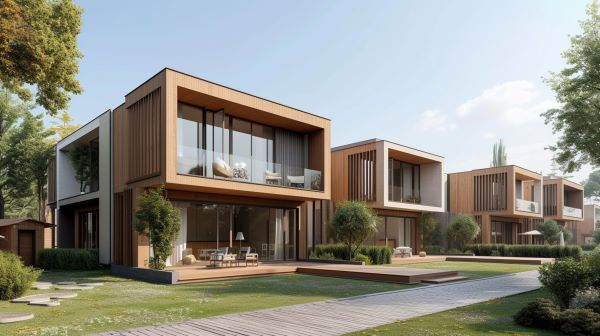
- Sleek, open-concept floor plans with plenty of windows.
- Mid-century modern, farmhouse, and contemporary styles.
- Rooftop decks, covered porches, and integrated garages.
From small and simple to large and luxurious, modular homes come in a variety of types and designs to fit every lifestyle.
Challenges and Considerations
Zoning Laws and Building Codes
- Not all communities welcome modular homes; some have restrictions on design or placement.
- Always check local zoning and code requirements before buying land.
Financing Hurdles
- Some lenders are unfamiliar with modular homes, so finding the right financing partner is crucial.
- Seek out banks or credit unions with experience in modular construction loans.
Site Preparation Requirements
- Modular homes require a solid, level foundation and utility hookups.
- Sloped or rocky lots may need extra work.
Transportation Logistics
- Modules must be delivered by truck, so narrow roads or bridges can pose challenges.
- Delivery delays may occur due to weather or permitting.
Resale Considerations
- Modular homes tend to hold value as well as traditional homes, but local perceptions may affect resale.
- Work with a real estate agent familiar with modular homes for best results.
How to Overcome Common Challenges
- Hire experienced professionals: Builders, lenders, and realtors with modular expertise can smooth the process.
- Plan ahead: Address site issues and financing early.
- Educate yourself: Knowing local regulations and market trends helps avoid surprises.
While modular homes offer many benefits, understanding these challenges ensures a smoother buying and building experience.
Future Trends in Modular Homes
Innovations in Construction Technology
- Robotics, advanced automation, and 3D printing are streamlining modular home production.
- New materials increase energy efficiency and design flexibility.
Increased Customization and Luxury Options
- Homeowners can now choose from a wide array of high-end finishes and smart home features.
- Customization rivals or exceeds that of traditional homes.
Growing Market Demand Post-Pandemic
- The shift to remote work and desire for affordable, quality housing has accelerated interest in modular homes.
- Many buyers value the speed and efficiency of modular construction.
Integration of Smart Home Technology
- Modular homes increasingly come pre-wired for smart thermostats, security systems, and automation.
- Renewable energy integration, like solar panels and battery storage, is becoming more common.
Sustainability Trends
- More manufacturers are pursuing net-zero energy designs and using recycled or renewable materials.
- Rainwater collection, energy-efficient appliances, and sustainable landscaping are popular add-ons.
Market Growth Predictions
- Experts predict the U.S. modular home market will grow by over 6% annually through the end of the decade.
- Increased demand for affordable, eco-friendly homes will fuel continued innovation.
The future of modular homes looks bright, with technology and sustainability leading the way.
Case Studies & Success Stories
Real-World Modular Home Projects
- The Green Family in Colorado built a custom, energy-efficient modular home on mountain land. Their home was assembled in just 10 weeks and now features solar panels, radiant heat, and triple pane windows. They report substantial energy savings and a stunning view.
- A Young Couple in North Carolina chose a modern, two-story modular home to start their family.
Benefits Experienced by Homeowners
- Lower utility bills and maintenance costs
- Fast, predictable construction timelines
- Custom features tailored to their needs
Unique Design Features
- Vaulted ceilings, wraparound porches, and smart home systems
- Integration into established neighborhoods with seamless design
Community Integration
- Modular homes are no longer limited to rural areas. many urban and suburban developments now feature these innovative homes.
Key Takeaways
- Modular homes offer faster construction, cost savings, and high-quality results.
- Modern designs are highly customizable, energy-efficient, and available in luxury or compact forms.
- Understanding the buying process, costs, and local requirements is essential for a smooth experience.
- Future trends indicate even greater innovation, sustainability, and market growth.
- Real-world success stories prove modular homes are a practical, stylish, and smart choice for American families.
Conclusion
In today’s competitive housing market, modular homes stand out as a flexible, affordable, and innovative solution. With faster build times, cost savings, and the potential for custom, energy-efficient designs, modular homes are changing the way Americans think about homeownership. They combine the reliability of factory precision with the creativity of custom design—delivering homes that meet the needs of diverse buyers, from first-timers to empty nesters to luxury seekers.
As demand grows and technology evolves. modular homes are poised to play a major role in the future of American housing.
Ready to take the next step? Contact a local modular home builder, schedule a tour, or download a free brochure to learn more about your options today!