

Key Takeaways:
- The prayer plant (Maranta leuconeura) is a stunning, easy-care houseplant known for its vibrant foliage and unique leaf movement.
- It purifies indoor air, enhances home aesthetics, and offers psychological benefits.
- Proper care involves bright, indirect light, consistent moisture, high humidity, and regular feeding.
- Common issues like brown tips or pests are easily managed with the right techniques.
- Prayer plants are non-toxic to pets and simple to propagate, making them ideal for any indoor gardener.
Have You Ever Wondered Why the Prayer Plant Is So Popular?
If you’ve ever strolled through a plant shop or scrolled through home décor inspiration online, you’ve likely spotted the prayer plant—its leaves painted with intricate patterns and colors, folding up each night as if in silent meditation. But what makes the prayer plant (Maranta leuconeura) such a beloved choice for indoor gardeners? Is it just the beauty, or is there more to this tropical wonder?
The prayer plant stands out not only for its striking appearance but also for its resilience and adaptability as a houseplant. Its ability to thrive indoors, purify the air, and bring a touch of the tropics to any room has made it a favorite across the United States. Whether you’re a seasoned plant parent or just starting your indoor jungle, understanding how to care for a prayer plant is key to enjoying its full potential.
In this comprehensive guide, you’ll discover everything you need to know about the prayer plant—from its fascinating biology and varieties to expert care tips, troubleshooting advice, and creative decorating ideas. Let’s dive into the world of prayer plants and unlock the secrets to keeping yours healthy and vibrant.
1. What Is a Prayer Plant?
Botanical Classification and Origin
The prayer plant, scientifically known as Maranta leuconeura, belongs to the Marantaceae family and hails from the lush rainforests of Brazil and South America. It’s a low-growing, rhizomatous perennial, prized for its decorative foliage and unique daily leaf movement—an adaptation to its native understory environment .
Unique Characteristics: Patterns and ‘Praying’ Movement
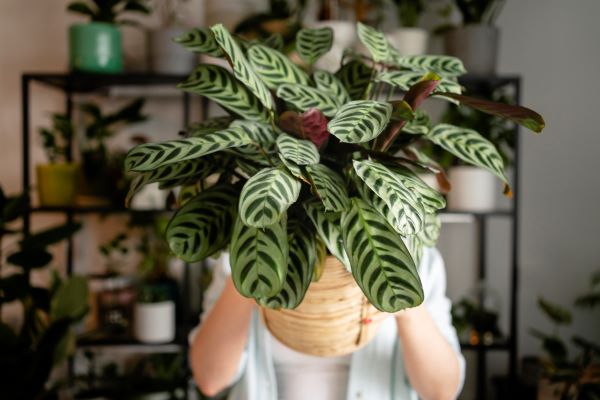
What truly sets the prayer plant apart is its mesmerizing leaf patterns. Each leaf is a canvas, painted with shades of green, red, white, and purple, often featuring intricate veining or spots. But the real magic happens at night: the leaves fold upward, resembling hands in prayer—a phenomenon called nyctinasty . This movement is not just beautiful; it’s a survival strategy, helping the plant conserve moisture and energy.
Varieties of Prayer Plants
- Maranta leuconeura var. erythroneura (Red Prayer Plant): Dark green leaves with vivid red veins and lighter green patches.
- Maranta leuconeura var. kerchoveana (Rabbit’s Foot): Bright green leaves with dark green or purplish splotches.
- Maranta leuconeura var. massangeana (Black Maranta): Deep green leaves with silvery blotches and white veins.
- Other Genera: Calathea, Ctenanthe, and Stromanthe are often grouped with prayer plants due to similar care needs and leaf movement .
How the Prayer Plant Earned Its Name
The name “prayer plant” comes from its nightly ritual of folding its leaves upward, as if in prayer. This daily dance not only captivates plant lovers but also signals a healthy, happy plant. Learn more about Indoor Plant Care at The Sill
2. Benefits of Having a Prayer Plant Indoors
Air-Purifying Qualities
Prayer plants are more than just a pretty face—they actively improve indoor air quality by filtering out toxins and increasing oxygen levels. According to NASA’s Clean Air Study This makes them a smart choice for homes and offices seeking a healthier environment .
Enhancing Indoor Aesthetics
With their bold patterns and vibrant colors, prayer plants instantly elevate any space. Whether placed on a shelf, in a hanging basket, or as a table centerpiece, they add a touch of the tropics and a sense of tranquility to your décor .
Psychological and Emotional Benefits
Watching the gentle movement of prayer plant leaves can be surprisingly calming. Many plant owners report feeling more relaxed and connected to nature, especially during stressful times. The act of caring for a living plant also fosters mindfulness and a sense of accomplishment .
Easy to Care For
Unlike some finicky tropicals, prayer plants are forgiving and adaptable. Their moderate care requirements make them ideal for both beginners and experienced plant enthusiasts.
3. How to Care for a Prayer Plant
Light Requirements: Finding the Sweet Spot
Prayer plants thrive in medium to bright, indirect light. Direct sunlight can scorch their leaves, while too little light may cause colors to fade and growth to slow. North or east-facing windows are ideal, or use sheer curtains to diffuse strong sunlight .
Can Prayer Plants Survive Low Light?
Yes, prayer plants can tolerate lower light conditions, but their growth and leaf coloration will be at their best with filtered brightness.
Watering Tips: Consistency Is Key
- Frequency: Water every 1–2 weeks, allowing the top inch of soil to dry out between waterings.
- Signs of Overwatering: Yellowing leaves and soggy soil.
- Signs of Underwatering: Brown leaf tips and edges.
How to Water a Prayer Plant
Use room-temperature, filtered water if possible. Avoid letting the plant sit in water, as this can lead to root rot.
Humidity and Temperature Needs
- Humidity: Prayer plants love high humidity (above 50%). Regular misting, pebble trays, or a humidifier can help.
- Temperature: Keep between 60°F and 75°F (16°C–24°C). Avoid cold drafts and sudden temperature changes.
Boosting Humidity for Prayer Plants
Grouping plants together or placing them in naturally humid rooms (like bathrooms) can help maintain optimal moisture levels.
Soil and Potting Mix: The Foundation of Healthy Growth
- Ideal Mix: A well-draining, peat-based potting mix is best. Combine peat moss, perlite, and standard potting soil for a loose, airy blend.
- Drainage: Always use pots with drainage holes to prevent waterlogging .
Fertilizing Guidelines: Feeding for Vibrant Foliage
- Spring and Summer: Feed every two weeks with a balanced, water-soluble fertilizer diluted to half strength.
- Fall and Winter: Reduce feeding to once a month.
H3: Avoiding Fertilizer Burn
Never fertilize dry soil, and always follow label instructions to prevent root damage.
Pruning and Propagation: Keeping Your Plant Bushy and Beautiful
- Pruning: Trim above leaf nodes to encourage bushier growth and remove any yellow or damaged leaves.
- Propagation:
- Division: Separate healthy root clumps during repotting.
- Stem Cuttings: Take non-flowering stems and root them in water or moist soil.
- Water Propagation: Allows easy monitoring of root development.
Common Pests and Diseases
- Pests: Watch for spider mites, aphids, and fungus gnats. Treat with insecticidal soap or neem oil.
- Diseases: Root rot from overwatering is the most common issue. Ensure proper drainage and avoid soggy soil.
Seasonal Care Variations
- Spring/Summer: Active growth—more water and fertilizer.
- Fall/Winter: Growth slows—reduce watering and feeding.
4. Common Problems with Prayer Plants and Solutions
| Problem | Cause/Remedy |
|---|---|
| Brown leaf tips/edges | Low humidity, underwatering, or salt buildup; increase humidity, check watering, flush soil |
| Yellowing leaves | Overwatering or poor drainage; allow soil to dry, ensure proper drainage |
| Leaf curling/dropping | Low humidity, cold drafts, or inconsistent watering; stabilize environment |
| Pest infestations | Spider mites, aphids, fungus gnats; inspect regularly, use insecticidal soap or neem oil |
How to Fix Brown Leaf Tips
Increase humidity, check your watering routine, and flush the soil to remove excess salts.
Dealing with Yellowing Leaves
Let the soil dry out between waterings and ensure your pot has adequate drainage.
Preventing and Treating Pests
Inspect new plants before bringing them home, keep leaves clean, and use organic treatments at the first sign of trouble.
5. Decorating With Prayer Plants
Creative Display Ideas
Prayer plants are versatile and look stunning in hanging baskets, on shelves, or as table centerpieces. Their trailing or bushy growth makes them perfect for adding texture and color to any room .
Pairing with Other Indoor Plants
Combine prayer plants with other tropicals like pothos, ferns, or calatheas for a lush, layered look. Their unique patterns complement a variety of foliage shapes and colors.
Ideal Rooms and Environments
Prayer plants thrive in living rooms, bedrooms, and offices—anywhere with bright, indirect light and stable temperatures. They’re especially well-suited for spaces where you want to add a calming, natural touch.
6. Where to Buy Prayer Plants and Pricing Guide
Trusted Retailers
You can find prayer plants at local nurseries, garden centers, and reputable online plant shops. Look for sellers with good reviews and healthy, pest-free stock, Shop healthy Prayer Plants at Etsy or The Home Depot
Selecting a Healthy Prayer Plant
Choose plants with vibrant, unblemished leaves and check under the foliage for pests. Avoid plants with yellowing or wilted leaves.
Average Price Ranges
- Small to Medium Plants: $10–$30
- Rare Varieties or Large Specimens: Higher prices, depending on availability and size
7. Frequently Asked Questions About Prayer Plants
How Fast Do Prayer Plants Grow?
Prayer plants grow moderately fast, producing new leaves regularly during the growing season if given proper care .
Are Prayer Plants Toxic to Pets?
No, Maranta leuconeura is non-toxic to cats and dogs, making it a safe choice for pet owners.
Can Prayer Plants Survive Low Light?
They can tolerate low light but will thrive and show their best colors in bright, indirect light .
How Often Should You Repot a Prayer Plant?
Repot every 2–3 years or when roots outgrow the pot.
Easy Propagation Methods
Prayer plants are easily propagated by division or stem cuttings in water or soil .
Conclusion
The prayer plant is more than just a beautiful houseplant—it’s a living work of art that brings life, color, and tranquility to any indoor space. With its air-purifying abilities, pet-friendly nature, and mesmerizing leaf movement, it’s no wonder the prayer plant has become a staple in homes across the United States.
By following the care tips outlined in this guide—providing bright, indirect light, consistent moisture, high humidity, and regular feeding—you’ll enjoy a thriving, vibrant prayer plant for years to come. Don’t be afraid to experiment with creative displays or try your hand at propagation. The prayer plant rewards attentive care with lush growth and nightly displays of its signature “prayer” pose.
Ready to add a prayer plant to your collection? Start your journey today and experience the joy of growing one of nature’s most captivating indoor plants.
Key Takeaway:
The prayer plant is a resilient, rewarding houseplant that offers beauty, health benefits, and a touch of wonder to any home. With the right care, anyone can enjoy its unique charm.